Case Study: How Tegridy Pools Transformed a Local Community Pool
TS
Introduction
In today's fast-paced world, community spaces are more important than ever. They provide a place for people to gather, relax, and connect. One such space, a local community pool, was recently given a new lease on life thanks to the innovative work of Tegridy Pools. This case study explores how they transformed a once-tired facility into a vibrant community hub.

Understanding the Challenges
Before Tegridy Pools stepped in, the community pool faced several challenges. It had outdated facilities, low attendance, and lacked the necessary amenities to attract families and individuals. The first step in their transformation process involved a comprehensive assessment to identify the key areas that needed improvement.
Tegridy Pools focused on three main aspects: infrastructure renovation, aesthetic enhancement, and community engagement. By addressing these areas, they aimed to create a welcoming environment that would draw in visitors.
Infrastructure Renovation
The pool’s infrastructure was in dire need of repair. Cracked tiles, inefficient filtration systems, and inadequate lighting were some of the pressing issues. Tegridy Pools implemented a detailed renovation plan that included:
- Replacing old tiles and updating the plumbing system.
- Installing energy-efficient lighting and filtration systems.
- Enhancing safety features to meet modern standards.
Aesthetic Enhancement
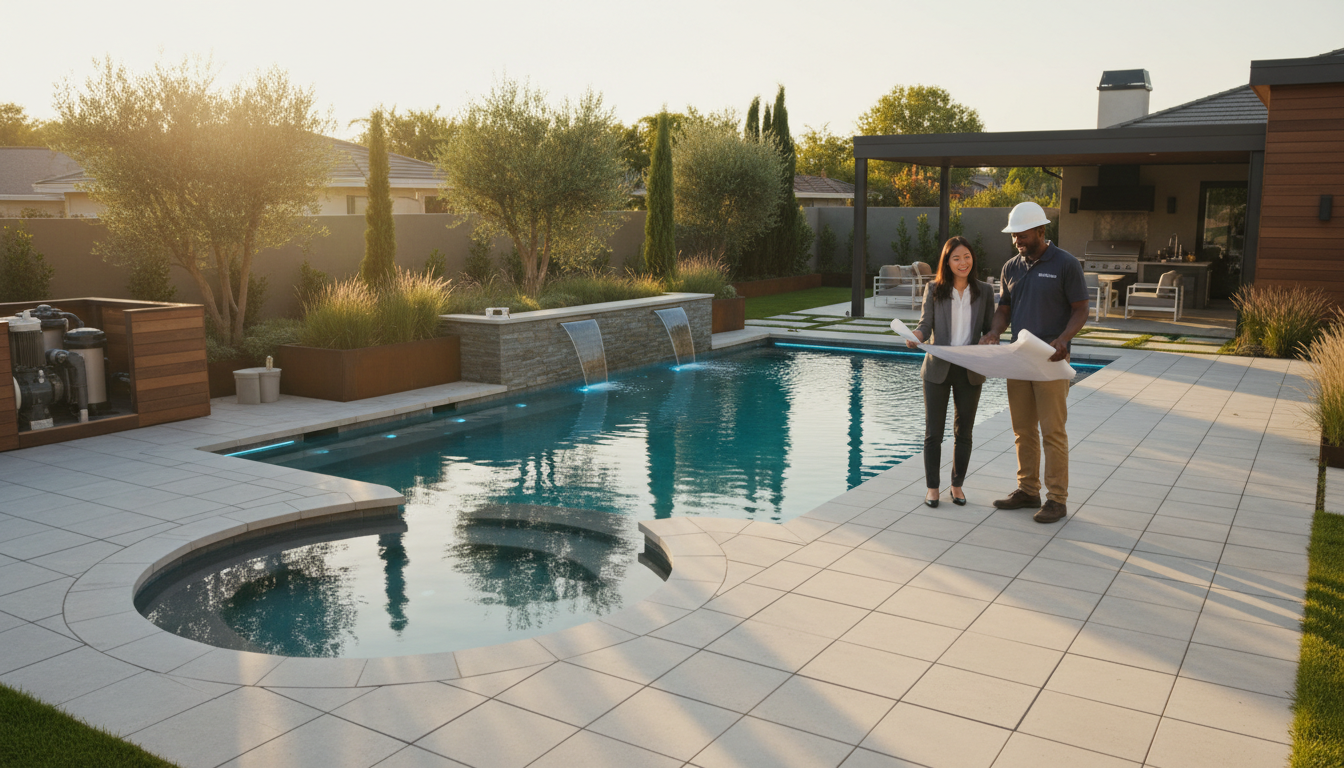
After addressing the structural issues, the focus shifted to aesthetics. Tegridy Pools understood that visual appeal plays a significant role in attracting visitors. They introduced vibrant color schemes, modern furniture, and lush landscaping to breathe new life into the area.
Additional features such as shaded lounging areas and decorative elements were added to create a more inviting atmosphere. The result was a visually striking pool area that encouraged relaxation and enjoyment.

Community Engagement
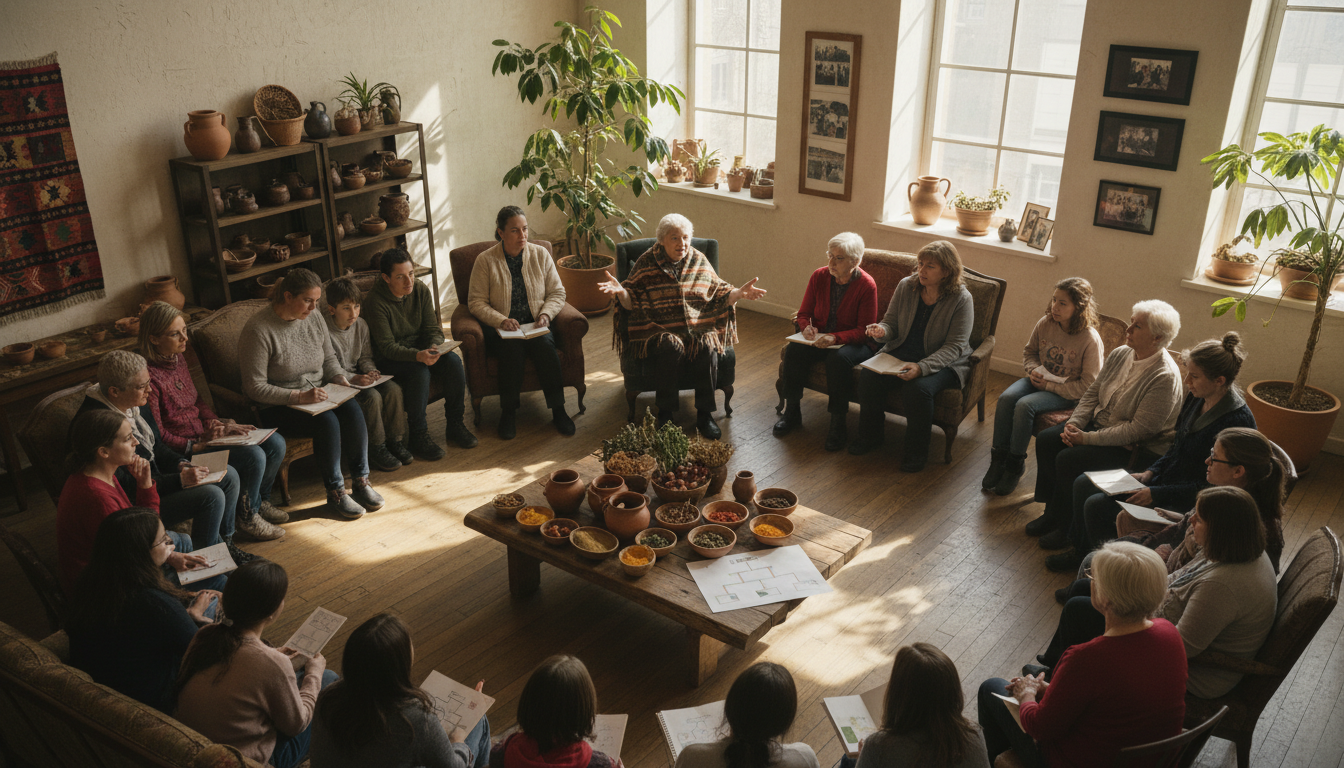
Tegridy Pools recognized the importance of involving the community in their transformation efforts. They organized workshops and feedback sessions to gather input from local residents. This collaborative approach ensured that the pool’s redevelopment met the needs and desires of its users.
Furthermore, Tegridy Pools introduced a range of community-centric programs, including swimming lessons, fitness classes, and family events. These initiatives fostered a sense of community ownership and increased attendance.
Impact and Results
The transformation of the community pool had a profound impact. Attendance numbers soared, and the space became a popular gathering spot for people of all ages. Local businesses also benefited from the increased foot traffic, further enhancing the area’s economic vitality.
Residents reported a greater sense of community pride and satisfaction, attributing much of the positive change to Tegridy Pools’ efforts. The revitalization project not only improved the pool’s facilities but also strengthened the community’s social fabric.
Conclusion
Tegridy Pools’ transformation of the local community pool is a testament to the power of thoughtful design and community involvement. By addressing infrastructure issues, enhancing aesthetics, and fostering community engagement, they effectively turned a struggling facility into a thriving community asset. This case study serves as an inspiring example for other communities looking to revitalize their shared spaces.