DIY Pool Cleaning: A Step-by-Step Tutorial
TS
Getting Started with DIY Pool Cleaning
Maintaining a sparkling clean pool is essential for both aesthetics and health. While hiring a professional service is an option, tackling pool cleaning on your own can be rewarding and cost-effective. In this guide, we'll walk you through the steps to keep your pool pristine.
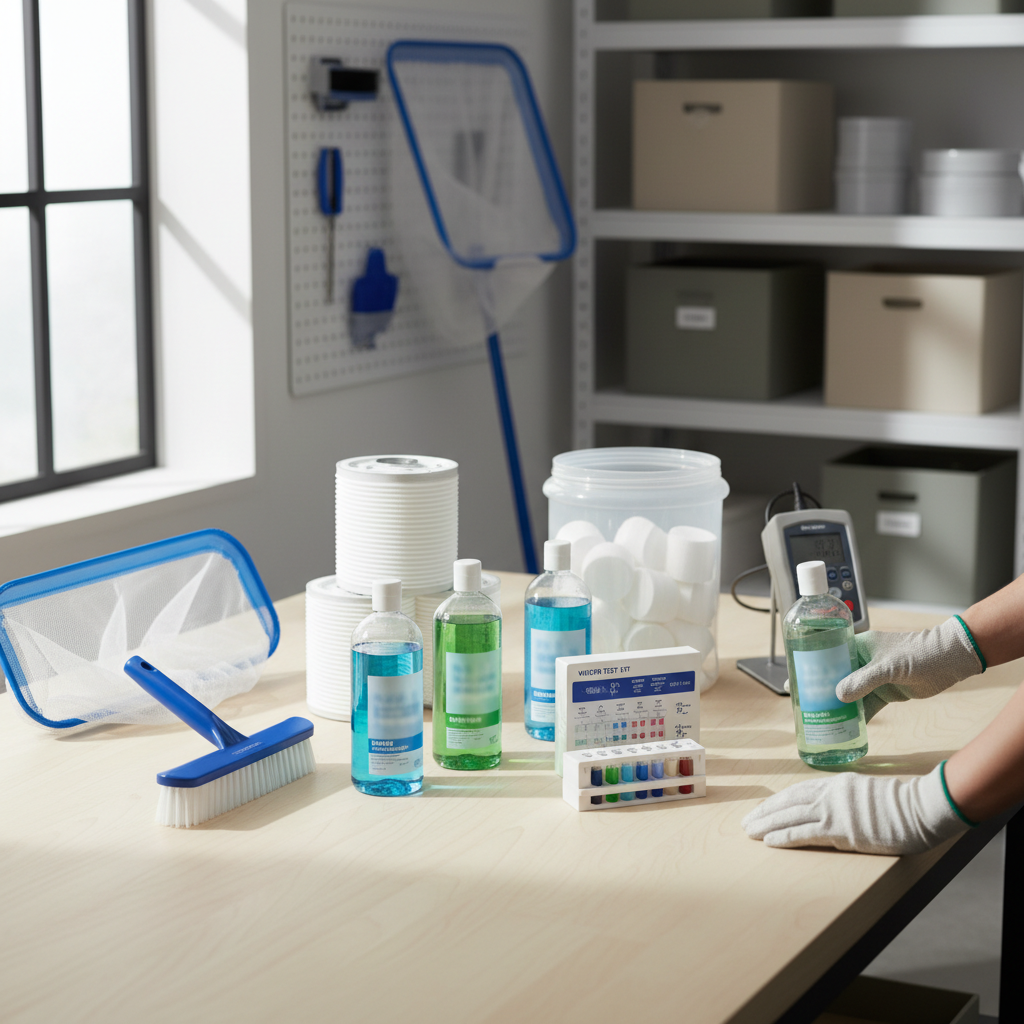
Gather Your Supplies
Before diving into the cleaning process, ensure you have all the necessary tools. Essential supplies include:
- Pool skimmer
- Pool vacuum
- Pool brush
- Water testing kit
- Pool chemicals (chlorine, pH adjusters)
Having these tools on hand will make the cleaning process smooth and efficient.
Skimming the Surface
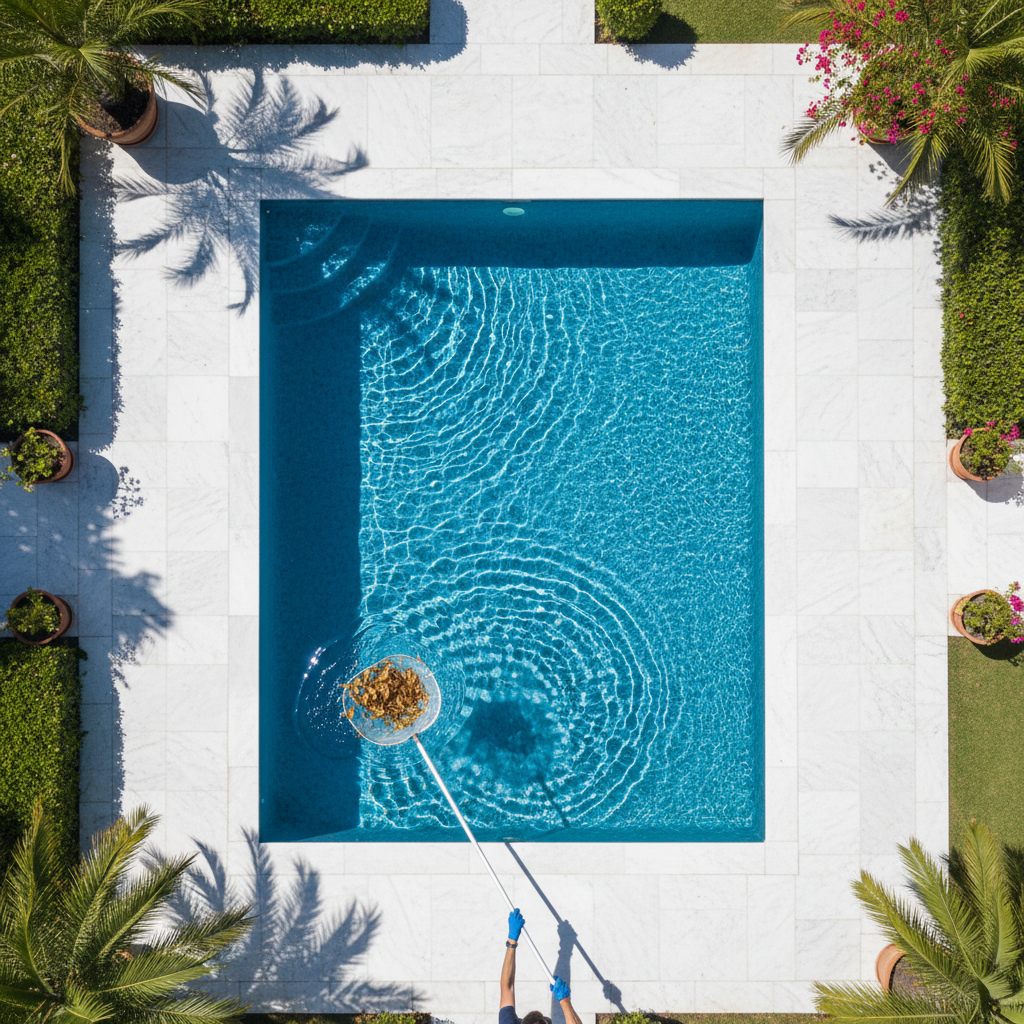
Start by removing debris such as leaves, insects, and twigs from the water surface using a pool skimmer. This is a straightforward task but crucial for maintaining water clarity. Regular skimming prevents debris from sinking and causing more significant issues.
Brushing and Vacuuming
Next, use a pool brush to scrub the walls and floor of your pool. This helps remove algae and dirt buildup. Pay special attention to corners and steps where grime tends to accumulate. Once brushing is complete, vacuum the pool to eliminate any debris that settled on the bottom.
There are various types of pool vacuums available, including manual and automatic options. Choose one that suits your pool size and budget.
Testing and Balancing the Water
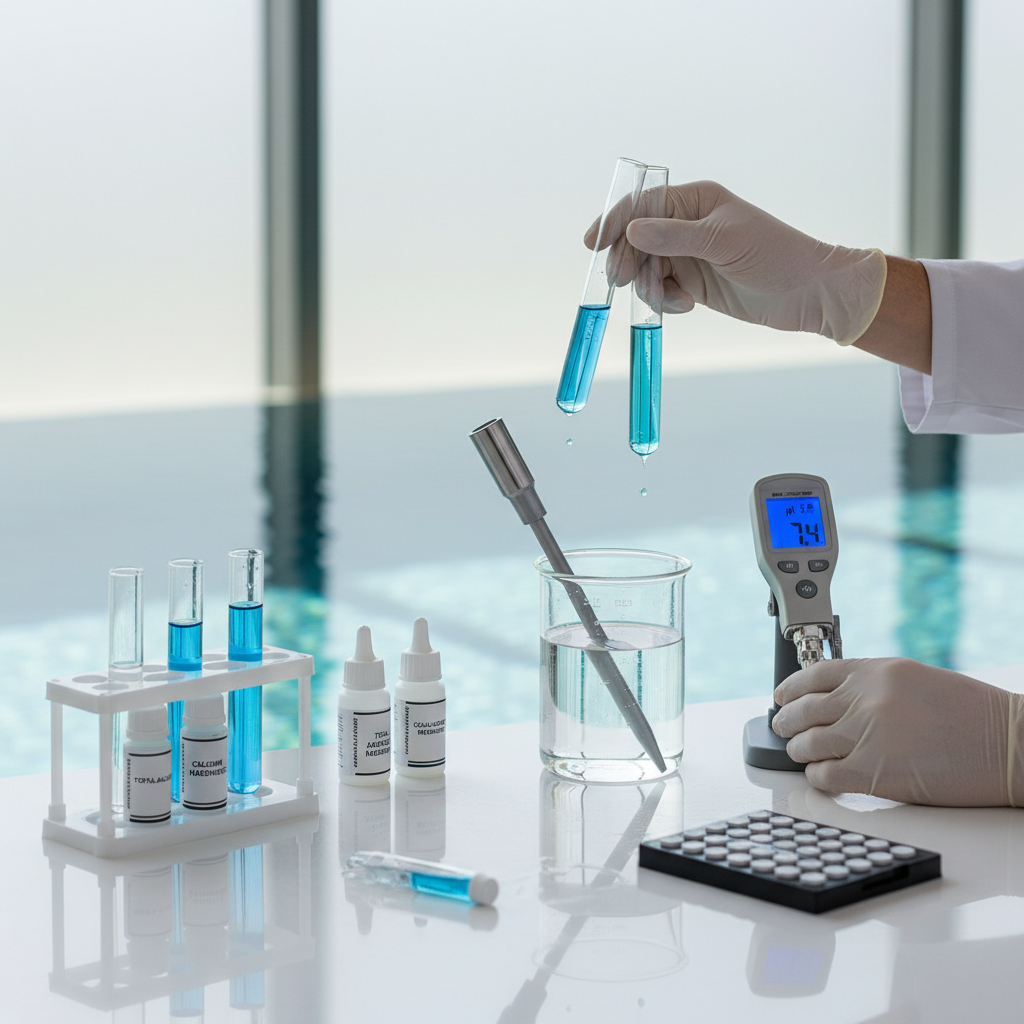
Regularly testing your pool water is crucial to ensure a safe swimming environment. Use a water testing kit to check levels of chlorine, pH, and alkalinity. Adjust these levels as needed using pool chemicals. Maintaining balanced water chemistry prevents algae growth and keeps the water safe for swimmers.
Shock Treatment
Occasionally, your pool may require a shock treatment to eliminate bacteria and contaminants. This involves adding a high dose of chlorine to the water. It's typically recommended to perform a shock treatment after heavy use, heavy rain, or if the water appears cloudy.
Follow the instructions on your shock treatment product carefully to avoid over-chlorination.
Regular Maintenance Tips
In addition to these steps, regular maintenance is key to a clean pool. This includes:
- Checking and cleaning the pool filter weekly.
- Maintaining proper water levels.
- Covering the pool when not in use to prevent debris accumulation.
By incorporating these practices into your routine, you can enjoy a clean and inviting pool all season long.
DIY pool cleaning might seem daunting initially, but with the right approach and tools, it becomes manageable and rewarding. Plus, you'll save money and gain the satisfaction of a job well done.