DIY Pool Cleaning: A Step-by-Step Tutorial for Homeowners
TS
Keeping your pool clean doesn't have to be a daunting task. With the right approach and tools, DIY pool cleaning can be a straightforward and rewarding process. This guide will walk you through each step to ensure your pool stays sparkling all season long.
Gather Your Supplies
Before diving into the cleaning process, make sure you have all the necessary supplies. You'll need a skimmer, pool brush, vacuum, and a variety of water testing kits. Having these tools at hand will make the cleaning process much more efficient.
Skim the Surface
The first step in pool maintenance is skimming the surface to remove leaves, insects, and other debris. Use a long-handled skimmer to reach all areas of the pool. This task should be performed daily to prevent debris from sinking to the bottom.
Why Skimming is Important
Regular skimming not only keeps your pool looking clean but also helps maintain the water's chemical balance. By removing organic material before it sinks, you reduce the load on your pool's filtration system.
Brush the Pool Walls
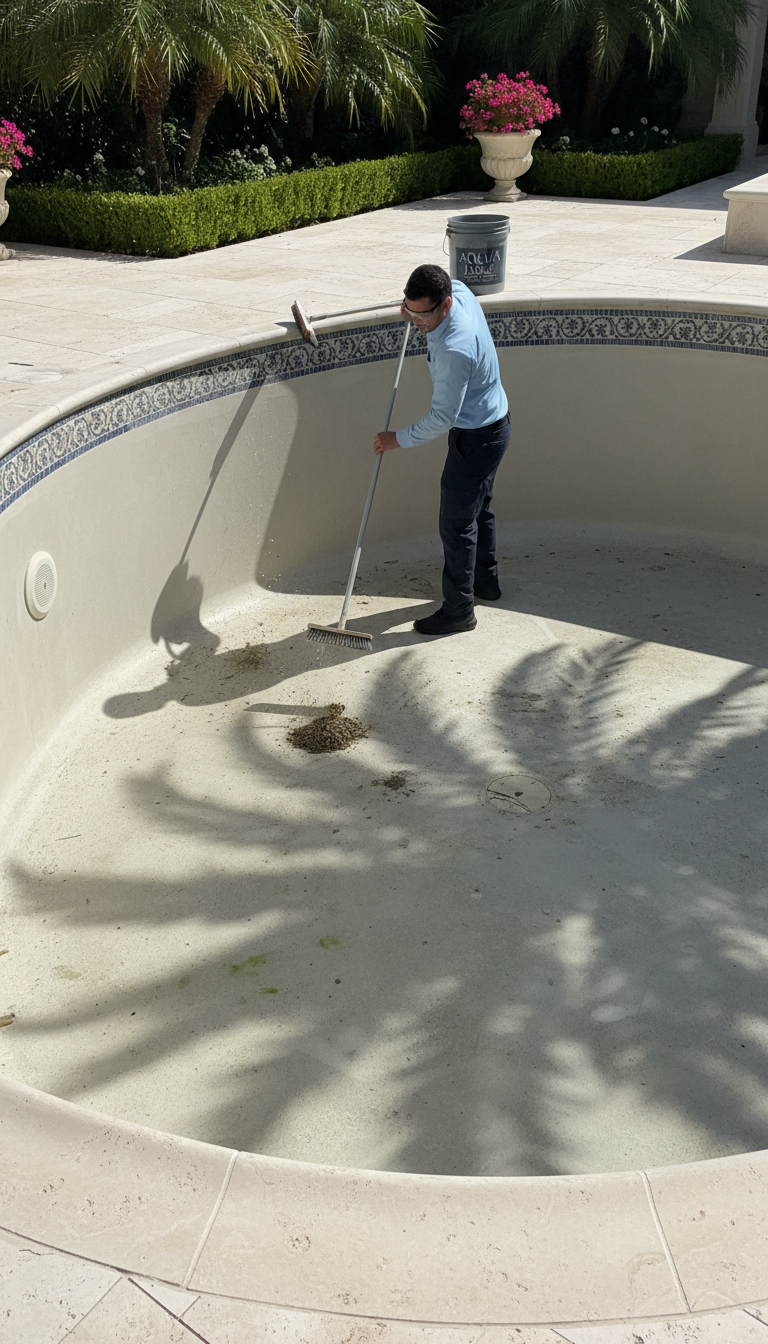
Next, it's time to brush the pool walls and floor. This helps remove algae and other buildup that can accumulate on surfaces. Use a pool brush appropriate for your pool's material, whether it's concrete, vinyl, or fiberglass.
Focus on Critical Areas
Pay special attention to areas with poor circulation, such as steps, ladders, and corners. Regular brushing helps prevent algae growth, which can be stubborn and unsightly.
Vacuum the Pool
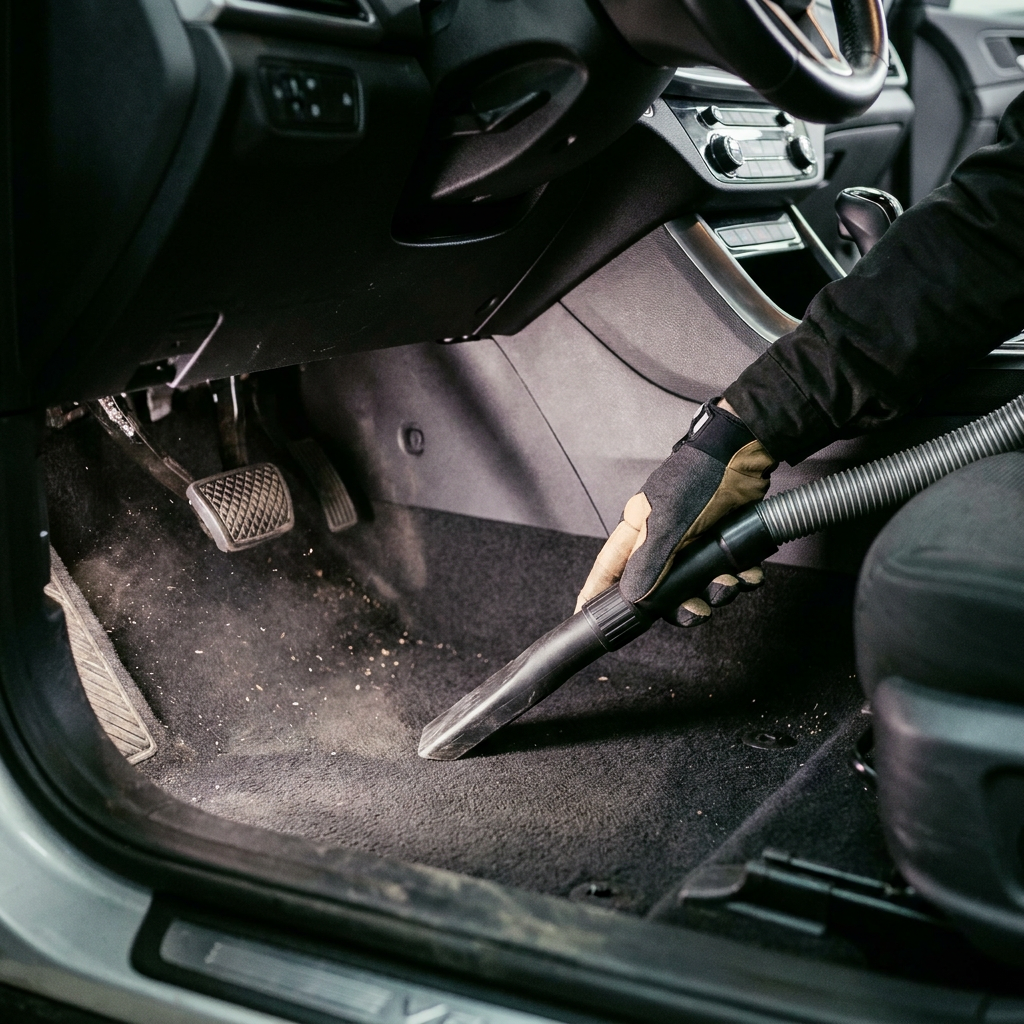
After brushing, vacuum the pool to remove any loosened debris. You can choose between manual or automatic vacuums. While automatic vacuums save time, manual vacuums give you more control over the cleaning process.
Vacuuming Tips
Start at the shallow end and move towards the deep end in a slow, methodical manner. Overlapping each stroke ensures thorough cleaning, leaving no dirt behind.
Test and Balance the Water
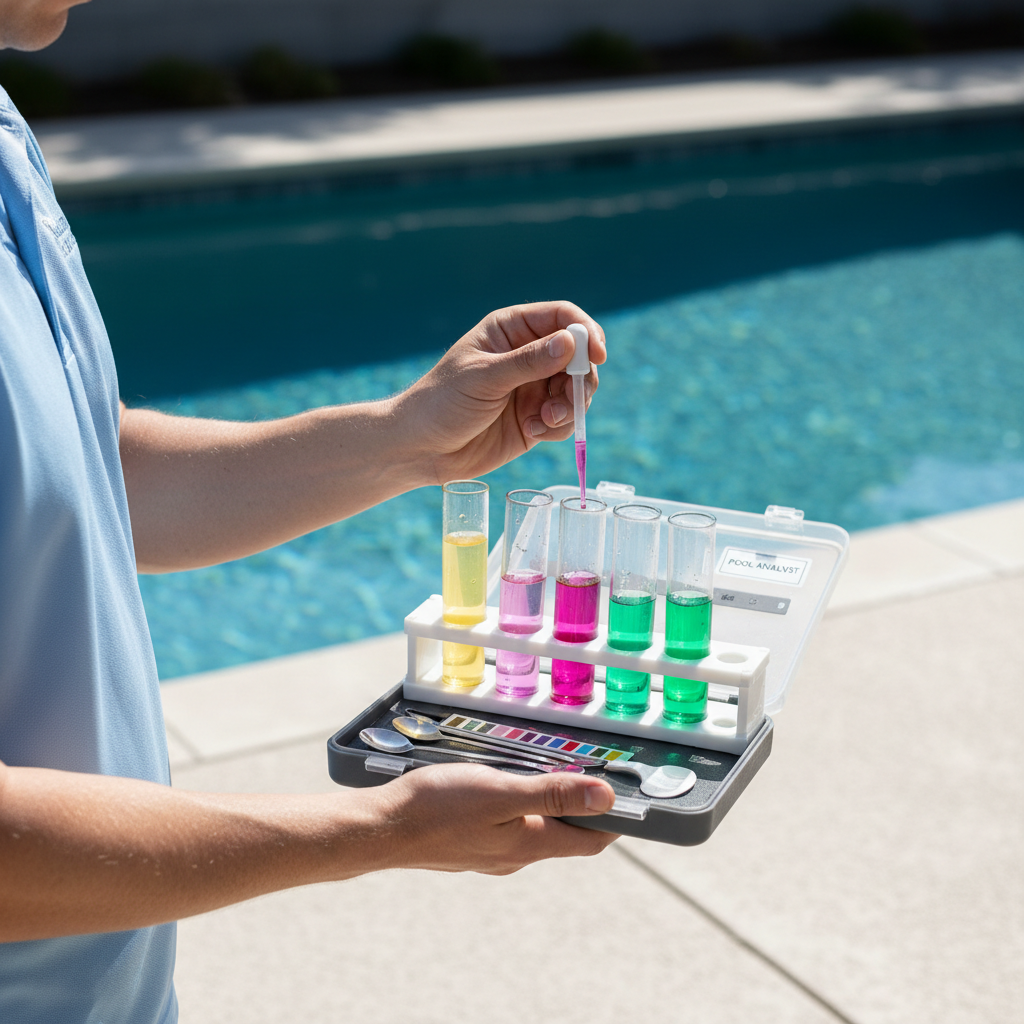
Finally, test your pool's water chemistry to ensure it's balanced. Key factors include pH level, alkalinity, and chlorine content. Adjust these levels as necessary using the appropriate chemicals.
Maintaining Chemical Balance
Maintaining the right chemical balance is crucial for safe and enjoyable swimming. Test the water at least once a week and after heavy rain or high usage.
By following these steps, you can keep your pool clean and inviting throughout the swimming season. Regular maintenance not only extends the life of your pool but also enhances the overall swimming experience. Happy swimming!