DIY Pool Cleaning Tips for Clark County Homeowners
TS
Understanding Pool Chemistry
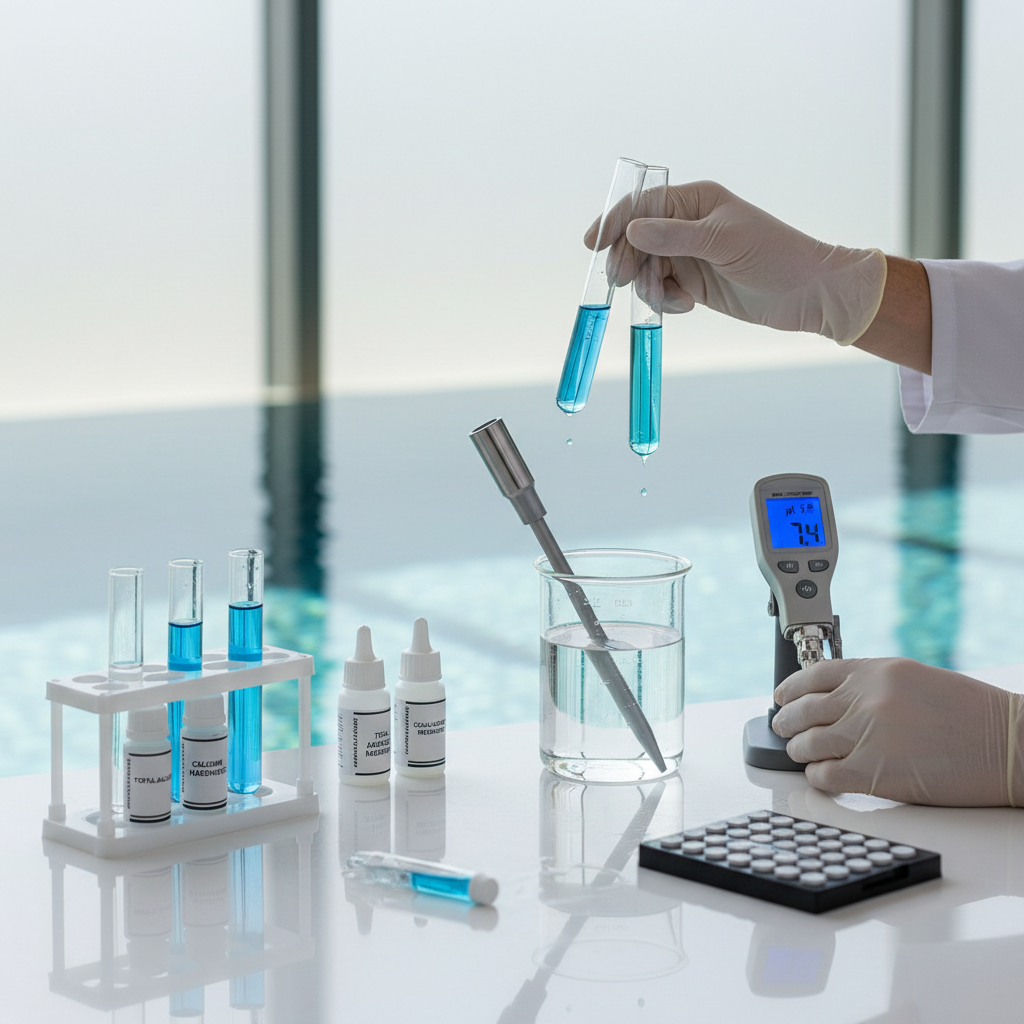
Maintaining your pool’s chemical balance is crucial for both safety and enjoyment. The three main components to focus on are pH, alkalinity, and chlorine levels. Regular testing helps keep these elements in check, ensuring a clean and safe swimming environment.
Aim to test your pool water at least once a week. Use a reliable pool testing kit to ensure accuracy. Keeping the pH between 7.2 and 7.8 and maintaining proper chlorine levels will prevent harmful bacteria and algae from thriving.
Regular Skimming and Scrubbing
Skimming the surface of your pool daily prevents debris from sinking to the bottom, making it easier to clean. Utilize a long-handled net to remove leaves, bugs, and other debris. This simple task significantly improves the pool’s cleanliness and appearance.
Scrubbing the walls and floor of your pool weekly helps prevent algae buildup. Use a brush suited to your pool’s surface type, whether it’s concrete, fiberglass, or vinyl. Regular scrubbing keeps your pool looking pristine and prolongs its life.
Vacuuming Your Pool
Investing in a quality pool vacuum is essential for maintaining a clean pool. Whether you opt for a manual, automatic, or robotic vacuum, regular cleaning prevents dirt and debris from accumulating on the pool floor. Vacuuming once a week is generally sufficient for most pools.

Maintaining the Pool Filter
Your pool filter is the heart of the cleaning system, capturing dirt and debris. It’s crucial to clean or backwash your filter regularly, depending on its type. Cartridge filters need to be cleaned every two to six weeks, while sand and diatomaceous earth filters may require less frequent attention.
Check the pressure gauge to know when your filter needs cleaning. A rise of 8-10 psi above normal indicates it’s time for maintenance. Keeping your filter clean ensures efficient operation and a sparkling pool.
Addressing Common Pool Issues
Algae growth, cloudy water, and staining are common pool issues in Clark County. To tackle algae, maintain proper chlorine levels and use algaecide as needed. For cloudy water, check the chemical balance and clean your filter. Stains can often be removed with specific cleaners based on the stain type.
Seasonal Pool Care Tips
During the hot summer months, your pool will likely require more frequent cleaning and chemical adjustments. In contrast, cooler seasons might allow for reduced maintenance. Adjust your cleaning schedule according to seasonal changes to keep your pool in optimal condition year-round.
Consider using a pool cover when the pool is not in use for extended periods. This not only keeps debris out but also reduces evaporation and chemical usage, saving time and money.
Final Thoughts
By following these DIY pool cleaning tips, Clark County homeowners can enjoy a clean and inviting swimming pool. Regular maintenance not only enhances the aesthetic appeal of your pool but also ensures a safe environment for family and friends. With a little effort and the right tools, you can keep your pool in top shape all year long.