Top 5 DIY Pool Cleaning Tips for Homeowners
TS
Introduction to DIY Pool Cleaning
Maintaining a clean and sparkling pool can be a rewarding experience for homeowners. While professional services are available, DIY pool cleaning can save money and provide a sense of accomplishment. Here are the top five tips to keep your pool pristine.
Regular Skimming and Scrubbing
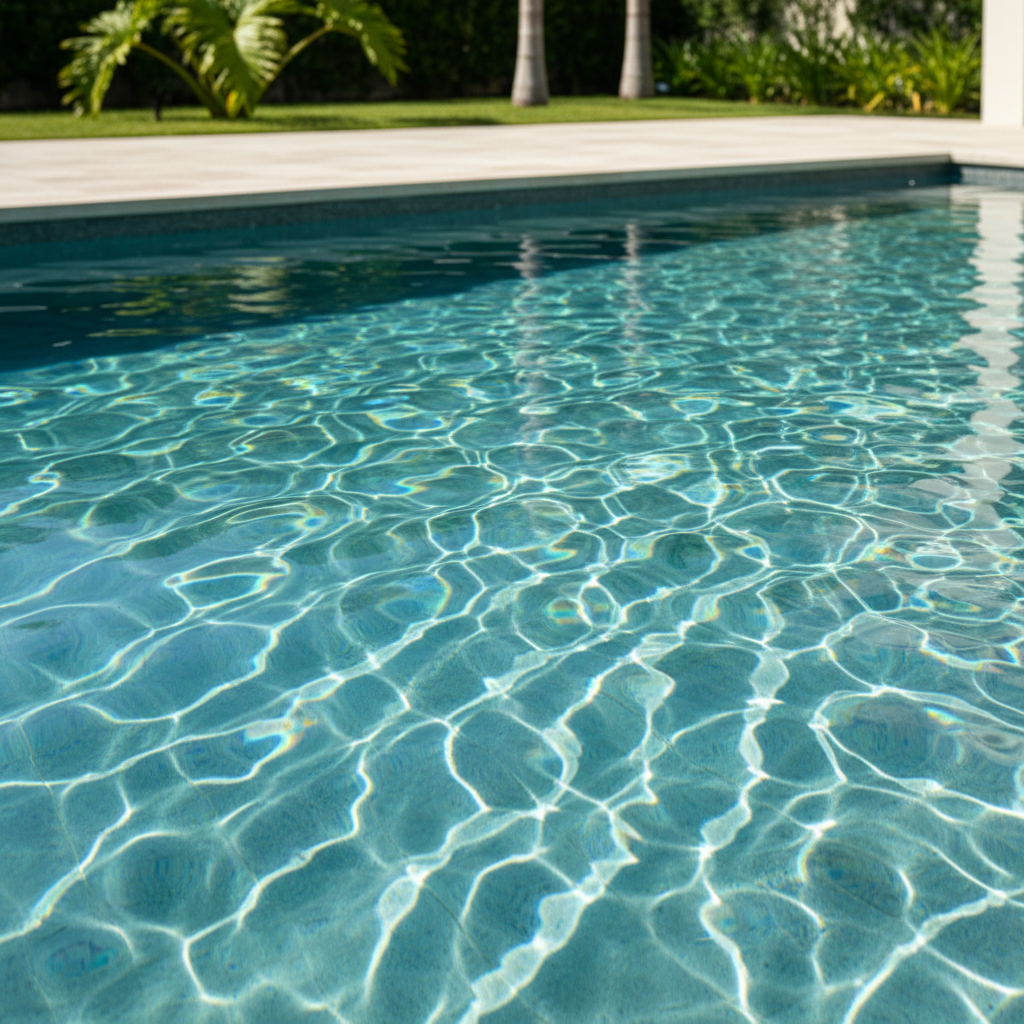
One of the simplest yet most effective ways to keep your pool clean is through regular skimming. Removing leaves, bugs, and debris daily prevents them from sinking and causing stains. Additionally, scrubbing the sides of your pool weekly can prevent algae buildup. Use a brush suitable for your pool’s surface type.
Choosing the Right Tools
Invest in a quality skimmer and a durable pool brush. For hard-to-reach spots, a telescopic pole can be very helpful. A pumice stone may also come in handy for stubborn stains on plaster pools.
Maintain the Right Chemical Balance
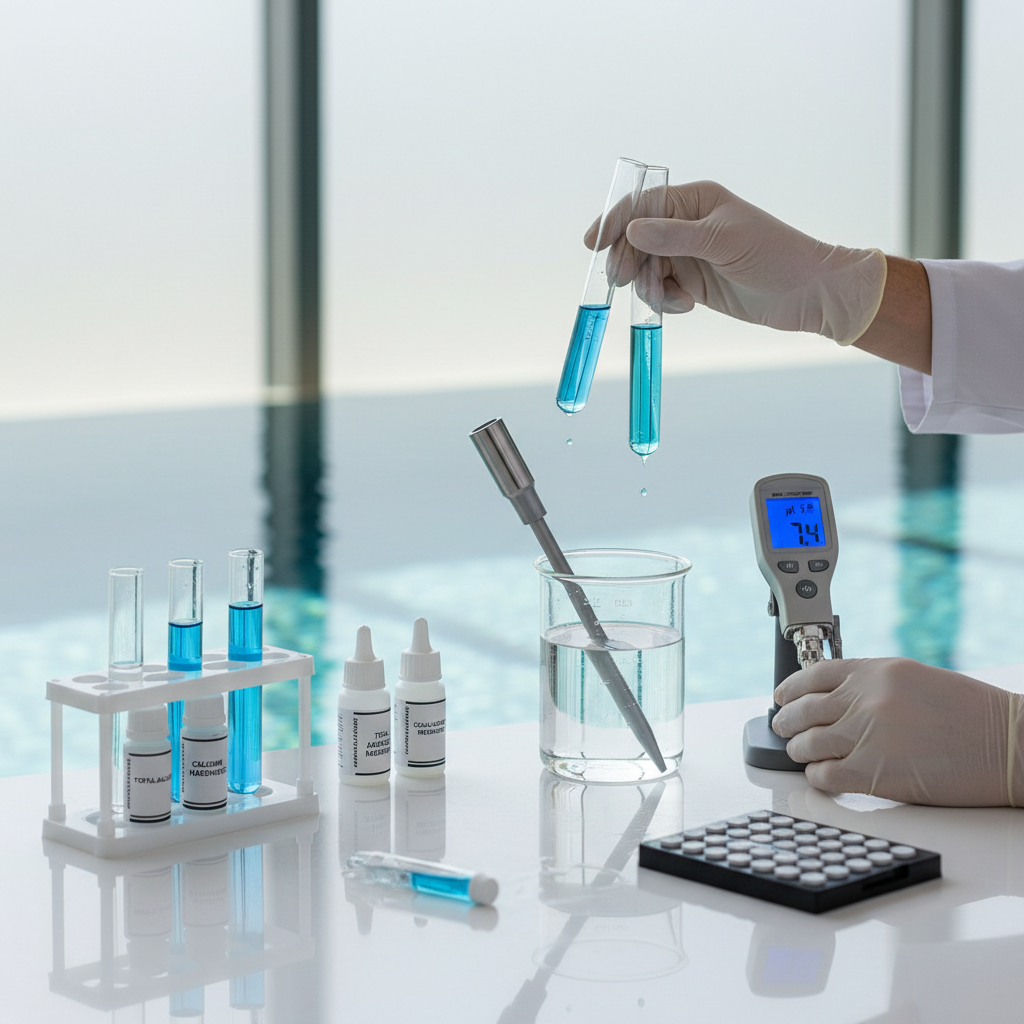
Maintaining the correct chemical levels is crucial for pool health. Test your pool water at least once a week for pH, chlorine, and alkalinity. Keeping these levels balanced prevents algae and bacteria growth, ensuring a safe swimming environment.
Using Pool Shock
Shocking your pool involves adding a large dose of chlorine to kill bacteria and contaminants. This should be done every couple of weeks or after heavy use or rain. Follow the instructions carefully and ensure no one swims until the chlorine levels return to normal.
Clean the Pool Filter
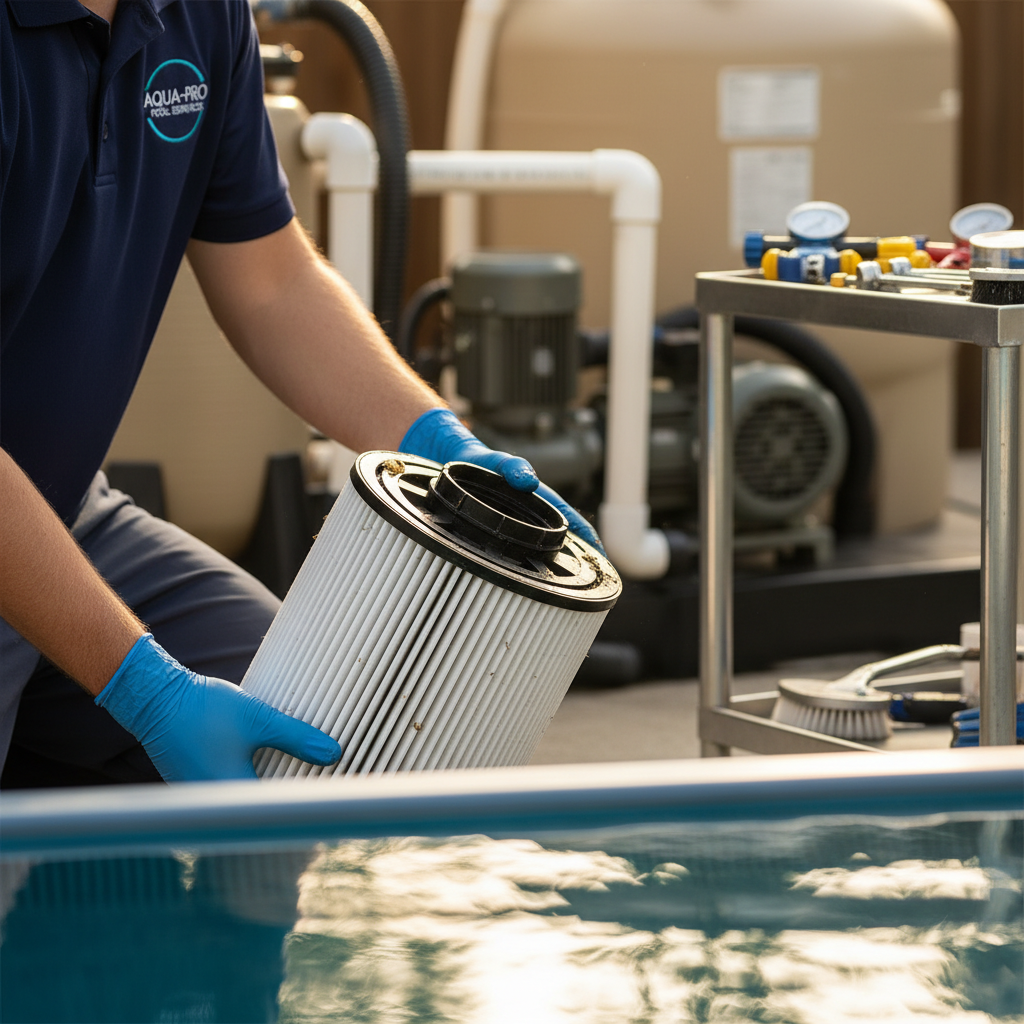
Your pool filter plays a vital role in keeping the water clean. Whether you have a cartridge, sand, or diatomaceous earth filter, regular cleaning is essential. Typically, cleaning the filter once a month is sufficient, but check the manufacturer’s guidelines for your specific model.
Backwashing the Filter
For sand and DE filters, backwashing is a method of cleaning that involves reversing the flow of water. This process helps remove built-up dirt and debris from the filter media.
Keep an Eye on the Water Level
Maintaining the correct water level is important for pool function. The water should be at the center level of your pool skimmer or pool tile. Too low can cause the pump to run dry, while too high can affect the skimmer's efficiency.
Adjusting the Water Level
After heavy rain or excessive splashing, check and adjust the water level. Use a garden hose to add water or a submersible pump to remove excess water.
Conclusion: Consistency is Key
By incorporating these DIY pool cleaning tips into your regular maintenance routine, you can enjoy a clean and inviting pool all season long. Consistency is key, and with a little effort, your pool will be ready for endless fun and relaxation.