Understanding Local Pool Regulations in Clark County
TS
Owning a pool in Clark County can be an enjoyable and rewarding experience. However, to ensure safety and compliance, it’s essential to understand the local pool regulations. This guide aims to simplify these regulations, helping you maintain a safe and lawful pool environment.
Understanding Permits and Approvals
Before constructing a pool, acquiring the necessary permits is crucial. Clark County requires homeowners to obtain a building permit for any new pool construction. This ensures that the pool meets all safety and zoning requirements. The application process typically involves submitting detailed plans and paying a fee.
It's important to work with a licensed contractor familiar with local regulations. They can assist in navigating the permit process and ensuring compliance with all building codes. Neglecting to secure the necessary permits can result in fines or the need to make costly adjustments.

Fencing and Safety Barriers
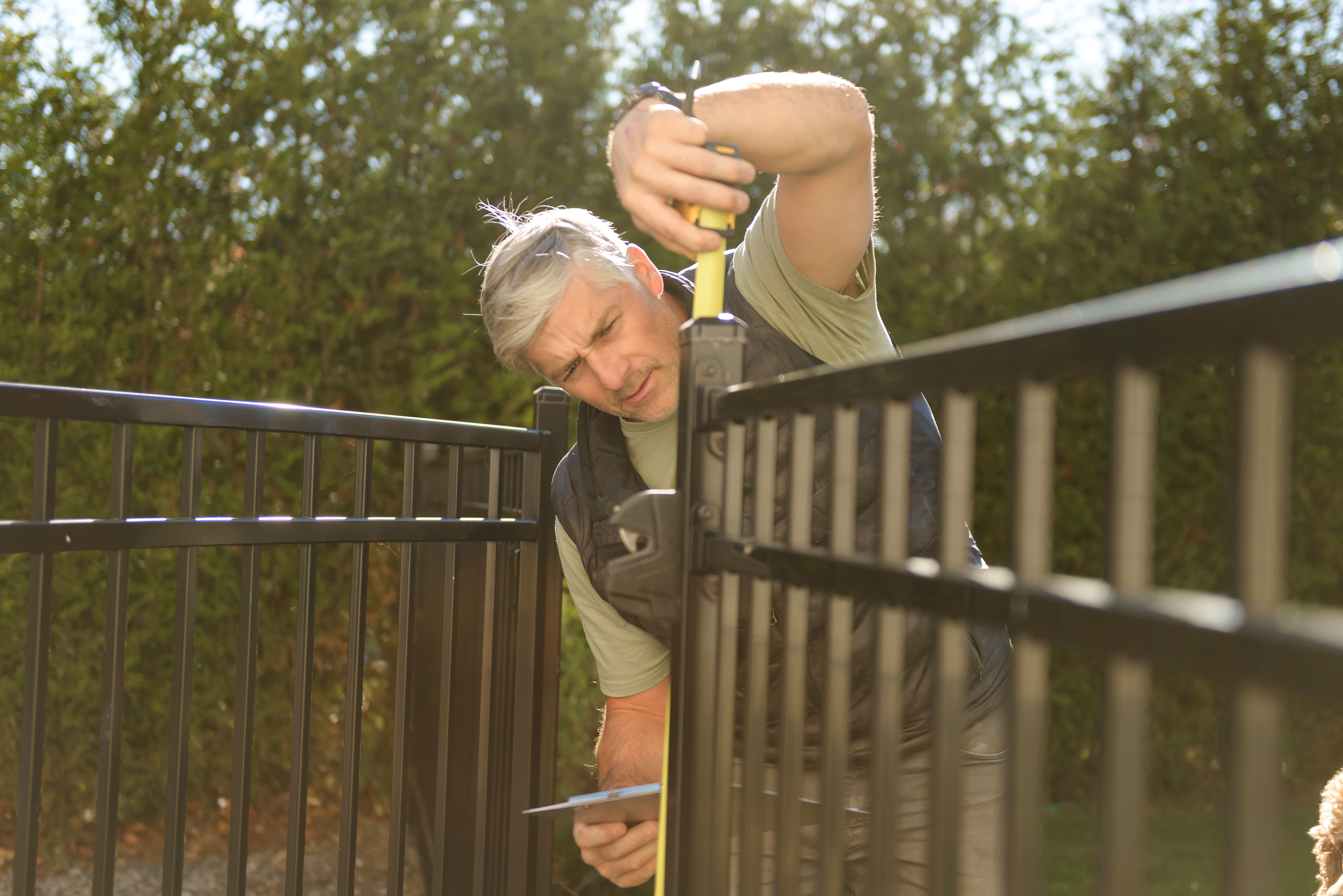
One of the most critical aspects of pool safety is installing appropriate fencing and barriers. Clark County mandates that all pools must be surrounded by a fence at least 48 inches high. This is to prevent unauthorized access, especially by children, and to reduce the risk of accidents.
The gates of these fences must be self-closing and self-latching. Additionally, any doors providing direct access to the pool area from a home should be equipped with an alarm. These measures are vital in ensuring the safety of young children and pets.
Water Quality and Maintenance
Maintaining clean and safe water is another key regulation. Pool owners are responsible for ensuring that the water is properly treated and free from harmful bacteria. Regular testing and chemical treatments are necessary to maintain appropriate pH and chlorine levels.
A well-maintained pool not only meets health regulations but also provides a more enjoyable experience for swimmers. Consider hiring a professional pool maintenance service if you’re unsure about handling these tasks yourself.
Electrical and Plumbing Standards
Electrical and plumbing systems in and around your pool must adhere to strict safety standards. All electrical work should be completed by a licensed electrician to prevent potential hazards. GFCI (Ground Fault Circuit Interrupter) protection is required for all outlets near the pool area.
Similarly, plumbing systems must be installed according to local codes. This includes proper drainage systems to prevent water accumulation, which can lead to structural damage or safety hazards.

Understanding Liability and Insurance
Pool ownership comes with increased liability. It’s advisable to review your homeowner’s insurance policy to ensure adequate coverage for pool-related incidents. Some insurers may offer discounts for pools that meet specific safety standards.
Understanding your liability can help you take proactive steps to mitigate risks, such as installing additional safety features or increasing your coverage limits.
Staying Informed and Updated
Regulations can change, so staying informed about any updates to local pool laws is essential. Attend community meetings or consult with local authorities to remain compliant with the latest standards. Being proactive can save you from potential legal issues and ensure the safety of everyone who uses your pool.
By understanding and adhering to these local regulations, you can enjoy your pool with peace of mind, knowing that it is both a fun and safe place for your family and guests.