Understanding Local Pool Regulations in Clark County
TS
Introduction to Local Pool Regulations
Owning a pool can be a great way to enhance your home and provide endless entertainment. However, it’s crucial to understand the local pool regulations in Clark County to ensure safety and compliance. These regulations are designed to protect residents and ensure that pools are safe for everyone to enjoy.
Whether you're a new pool owner or planning to build one, familiarizing yourself with these rules can save you from potential fines and safety hazards. Let’s dive into the key aspects of these regulations.

Permits and Approvals
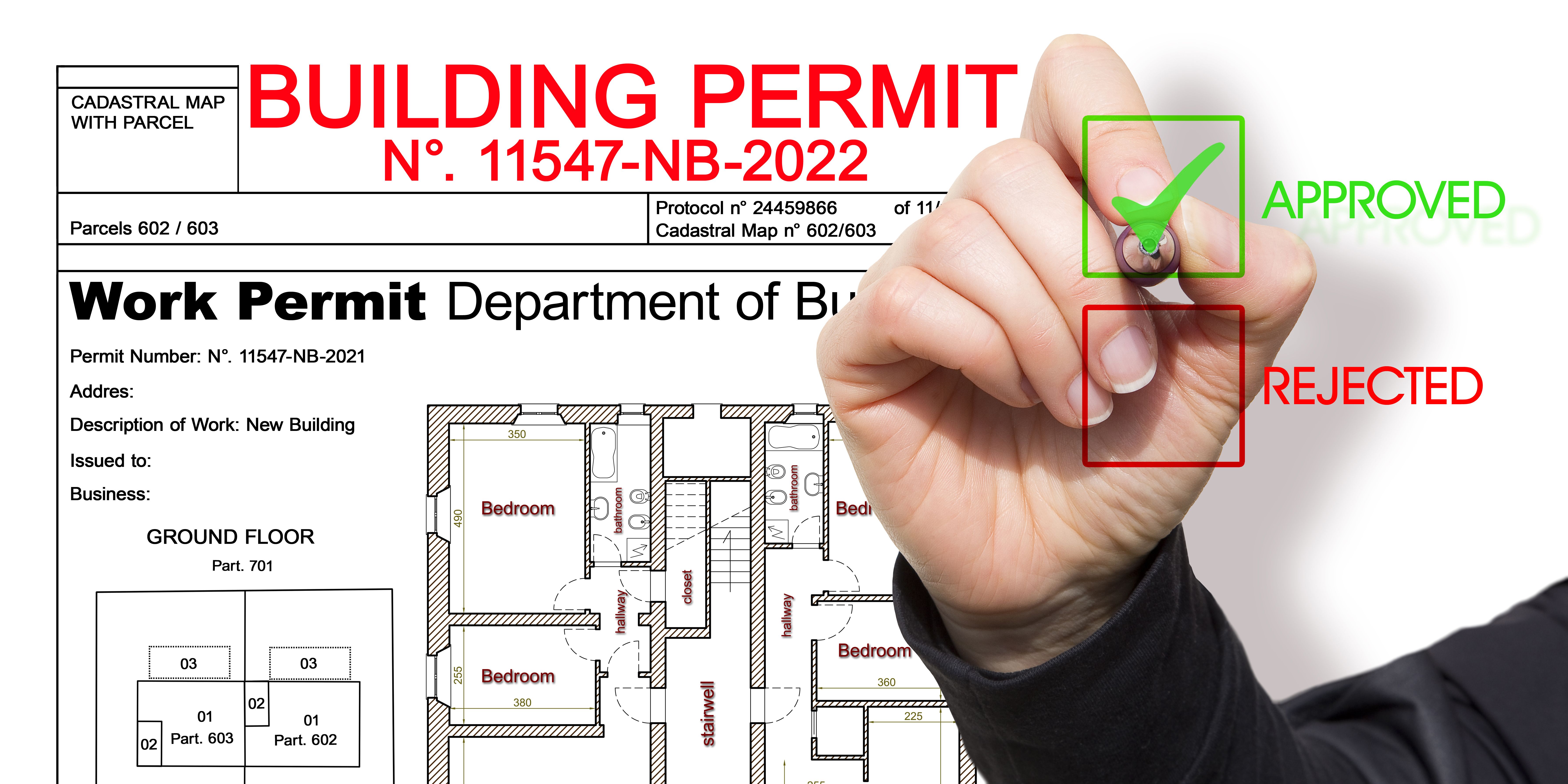
Before you begin any pool construction in Clark County, obtaining the necessary permits and approvals is a must. This process ensures that your pool meets all local building codes and safety standards. Failing to secure the proper permits can lead to costly penalties and even require you to remove or alter your pool.
It is advisable to consult with a licensed contractor who is familiar with the local requirements. They can guide you through the permitting process and ensure that all paperwork is in order before construction begins.
Steps to Obtain a Permit
- Submit a pool plan to the county’s building department.
- Schedule an inspection to review the site and design.
- Receive approval and obtain the necessary permits.
Safety and Barrier Requirements
One of the most critical aspects of pool regulations in Clark County is ensuring that proper safety measures are in place. This includes the installation of barriers to prevent unsupervised access by children. The county mandates specific guidelines for fences, gates, and pool covers.
Barriers must be at least four feet high and should not have any gaps that could allow a child to pass through. Gates should be self-closing and self-latching, with latches positioned out of the reach of small children. These rules are in place to prevent accidents and enhance the overall safety of your pool area.

Water Quality and Maintenance
Maintaining water quality is another crucial regulation in Clark County. Pool owners are responsible for ensuring that the water is clean and free of harmful bacteria. Regular testing and treatment of pool water are essential to comply with health standards.
It is recommended to test the water at least once a week for chlorine levels, pH balance, and other chemical levels. Routine maintenance not only keeps the pool safe for swimmers but also prolongs the life of the pool equipment.
Essential Maintenance Tips
- Clean the pool regularly to remove debris.
- Check and maintain pool filtration systems.
- Adjust chemical levels to maintain water quality.

Conclusion
Understanding and adhering to local pool regulations in Clark County is essential for every pool owner. By following these guidelines, you not only ensure compliance but also create a safe and enjoyable environment for your family and friends. If you have any doubts or need further information, contacting the local building department or a professional contractor can provide you with the guidance you need.
Taking the time to educate yourself about these regulations is a worthwhile investment that pays off in safety and peace of mind.