Understanding Local Pool Regulations in Clark County
TS
Introduction to Pool Regulations
Owning a pool in Clark County offers endless enjoyment, but it's crucial to understand the local regulations to ensure safety and compliance. These regulations are designed to protect residents and ensure that pools are maintained properly.
Whether you're installing a new pool or maintaining an existing one, familiarizing yourself with these rules can save you from potential legal issues and enhance the safety of your property.
Permits and Approvals
Before you dive into building a pool, securing the necessary permits is a must. In Clark County, a permit is required for any pool over 18 inches deep. This ensures that your project meets all structural and safety standards.
Applications for permits are submitted through the local building department. It's essential to provide detailed plans and specifications to expedite the approval process.
Inspection Requirements
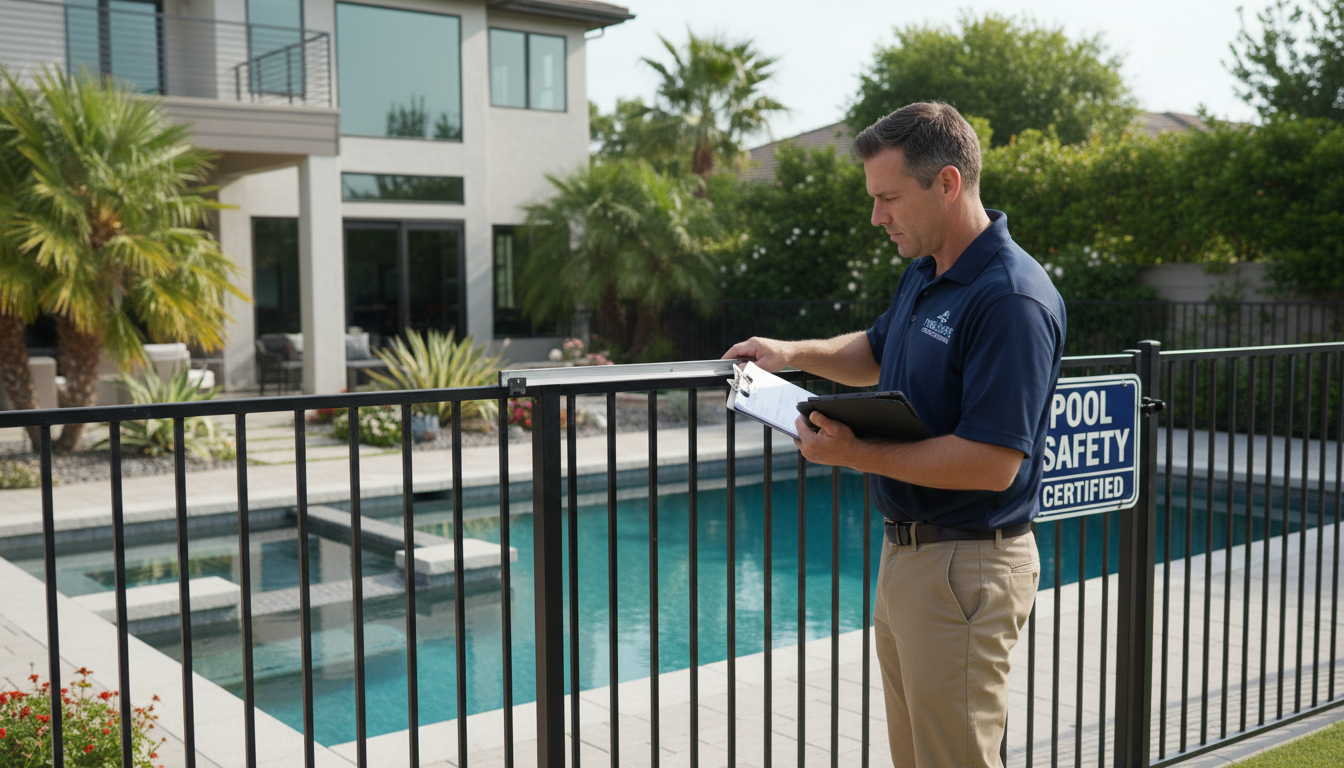
Once your pool is constructed, it must pass a series of inspections. Inspectors will evaluate the pool's construction, fencing, and safety features. These inspections guarantee that your pool complies with all local safety codes.

Safety Measures
Safety is a top priority in pool regulations. Clark County mandates specific safety measures to protect both pool users and nearby residents. One of the key requirements is installing a barrier or fence at least 4 feet high around the pool area.
Additional safety features such as self-closing and self-latching gates are also required. These measures prevent unsupervised access to the pool, especially by young children.
Pool Equipment and Maintenance
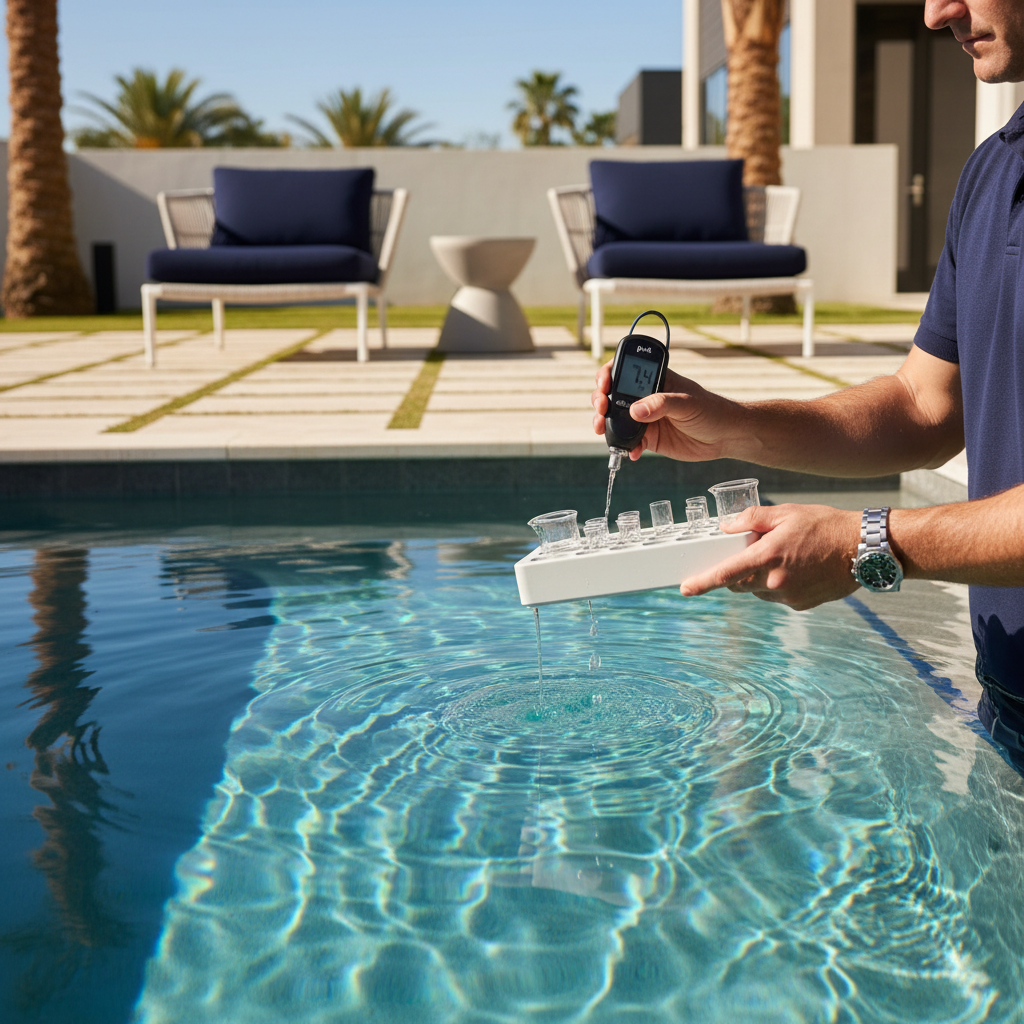
Proper maintenance of pool equipment is essential for safety and efficiency. Regular inspections of pumps, filters, and drains help prevent accidents and ensure the pool operates smoothly. Compliance with local guidelines for chemical storage and usage is also crucial.
Environmental Considerations
Local regulations also address environmental concerns. Responsible water management is encouraged, including the use of covers to reduce evaporation and energy-efficient heaters to minimize energy consumption.
Additionally, the disposal of pool water must be done correctly. Draining your pool into storm drains or onto neighboring properties is prohibited, as it can harm the environment.
Conclusion
Understanding and adhering to local pool regulations in Clark County is vital for the safety and enjoyment of your pool. By following these guidelines, you not only ensure compliance but also contribute to a safer community.
For more detailed information, consider consulting with local authorities or hiring a professional who specializes in pool construction and maintenance.