Understanding the Local Regulations for Pool Maintenance in Clark County
TS
Maintaining a swimming pool in Clark County involves more than just keeping the water clean and clear. It requires a thorough understanding of local regulations and compliance with specific guidelines to ensure safety and environmental responsibility. These regulations are in place to protect both pool owners and the community at large.

General Pool Maintenance Regulations
In Clark County, pool maintenance regulations are designed to ensure that pools are safe for use and do not adversely affect the surrounding environment. These regulations cover aspects such as water quality, chemical storage, and equipment maintenance. It is essential for pool owners to familiarize themselves with these requirements to avoid potential fines and ensure the safety of swimmers.
The county mandates regular testing and balancing of pool chemicals, including chlorine and pH levels. Proper chemical balance is crucial for preventing harmful bacteria growth and maintaining water clarity.
Water Quality and Chemical Regulations
Clark County requires that pool water meet certain quality standards. This includes maintaining appropriate levels of disinfectants and ensuring that the water is free from harmful bacteria. Regular water testing is necessary to comply with these standards. Pool owners should also be aware of regulations regarding the safe storage and handling of pool chemicals to prevent accidents and environmental contamination.

Pool chemicals must be stored in a secure, dry location away from direct sunlight and other reactive substances. Proper labeling and disposal of chemicals are also critical to avoid any legal issues or environmental harm.
Equipment and Structural Compliance
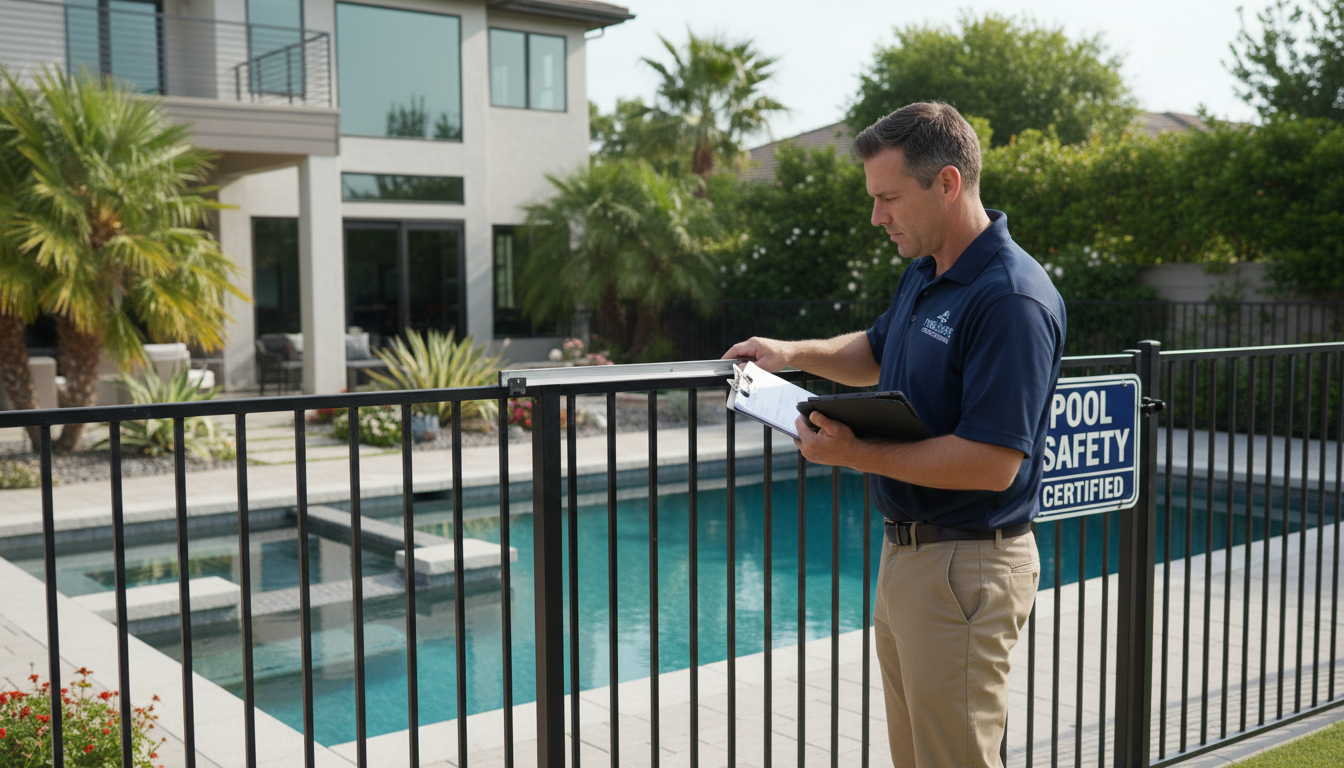
Ensuring that pool equipment and structures meet local safety standards is another critical aspect of compliance. This includes the installation of proper fencing and safety barriers to prevent unsupervised access, especially by children. Pool owners should regularly inspect and maintain pool equipment, such as pumps and filters, to ensure they are in good working order.
Clark County may also have specific requirements for pool covers and alarms, designed to enhance safety and prevent accidental drownings.
Environmental Considerations
Environmental protection is a key concern in Clark County’s pool maintenance regulations. Pool owners should be mindful of water conservation practices, such as reducing excessive water evaporation and recycling pool water when possible. Additionally, it is important to prevent chemical runoff into the local water supply by ensuring proper drainage and filtration systems are in place.
Implementing eco-friendly pool maintenance practices not only helps comply with regulations but also contributes to a more sustainable community.
Staying Informed and Compliant
Staying informed about the latest regulations and best practices for pool maintenance is crucial for pool owners in Clark County. Regularly reviewing county guidelines and attending local workshops or training sessions can help keep you updated on any changes or new requirements.
By adhering to these regulations, pool owners can enjoy their pools safely and responsibly, contributing to the overall well-being of the community.